107 Free Crochet Stash-Buster Patterns for Leftover Yarn
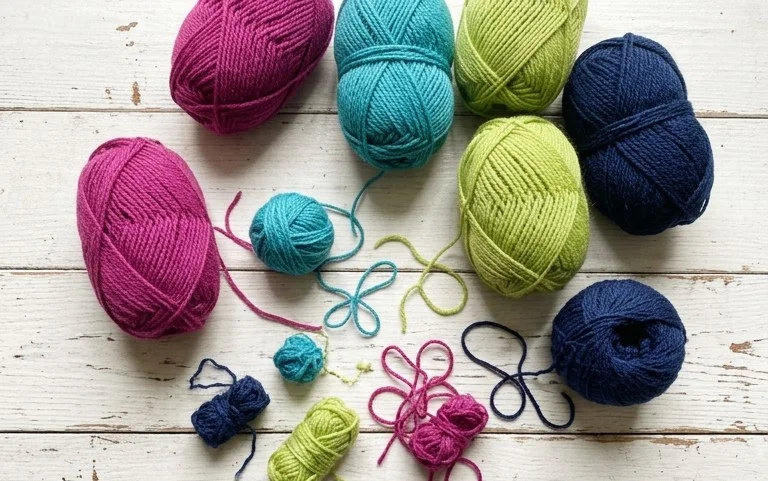
Small balls of leftover yarn often gather in baskets until they become a tangled mess of forgotten colors. These coasters turn those lonely strands into a functional set of home decor that protects your wood surfaces from cold glasses and hot mugs. You will learn how to maintain a flat shape through consistent tension and basic increase rounds, which prevents your work from curling at the edges. This project is ideal for beginners wanting to practice circular construction or anyone needing a quick gift. By utilizing your scrap yarn, you reduce household waste while creating something handmade, practical, and visually pleasing for your coffee table.
Why You’ll Love This Pattern
This beginner-friendly crochet coaster pattern uses simple single crochet stitches and a flat circular construction to create a sturdy surface for your mugs. Because it works up in under thirty minutes, you can easily produce a full set of four coasters in a single afternoon. The design relies on basic increase rounds, which serves as a foundation for understanding how to keep flat circles from warping or ruffling. Using cotton yarn ensures the finished piece is absorbent and heat-resistant, making it a functional addition to any home.
I finished these coasters in one evening while watching a movie. The instructions were easy to follow and they lay perfectly flat on my coffee table without any blocking.
— Sarah, hobbyist crocheter
Pattern Overview & Skill Level
- Skill Level: Beginner
- Approximate Time: 20-30 minutes per coaster
- Construction: Worked in continuous rounds from a magic ring
- Finished Dimensions: Approximately 4 inches in diameter
Materials & Supplies Needed
- Yarn: Worsted weight (#4) 100% cotton yarn, approximately 15 yards per coaster. Cotton is necessary for heat absorption.
- Hook Size: 4.5 mm (US 7) crochet hook
- Notions: Tapestry needle for weaving ends, stitch marker for tracking the start of rounds
- Safe Yarn Substitutions: Acrylic yarn can be used for decorative purposes but will not absorb moisture or withstand high temperatures like cotton. Wool may shrink if washed in hot water.
Stitch Guide & Abbreviations (US Terms)
- ch: chain
- st/sts: stitch/stitches
- sc: single crochet
- inc: increase (work 2 sc in the same stitch)
- sl st: slip stitch
- MR: magic ring (a loop used to start the circular project)
Step-by-Step Pattern Instructions
Coaster Body
- Rnd 1: Start with a MR. Work 6 sc into the ring. Tighten the ring to close the center. (6 sts)
- Rnd 2: Work 2 sc in each st around. (12 sts)
- Rnd 3: [1 sc in the next st, inc in the next st] 6 times. (18 sts)
- Rnd 4: [1 sc in each of the next 2 sts, inc in the next st] 6 times. (24 sts)
- Rnd 5: [1 sc in each of the next 3 sts, inc in the next st] 6 times. (30 sts)
- Rnd 6: [1 sc in each of the next 4 sts, inc in the next st] 6 times. (36 sts)
- Rnd 7: [1 sc in each of the next 5 sts, inc in the next st] 6 times. (42 sts)
Finishing
To finish, work one slip stitch into the next stitch to smooth out the edge. Cut your yarn, leaving a 6-inch tail. Pull the tail through the final loop and pull tight. Use your tapestry needle to weave the yarn tail securely into the back of the coaster, moving back and forth through the stitches to prevent the end from unraveling. Trim any excess yarn close to the surface.
Care & Washing Instructions
- Machine wash on a gentle cycle using cool water to prevent color bleeding or fiber shrinkage.
- Lay the coasters flat on a clean towel to air dry, ensuring they retain their circular shape.
- If the coasters become misshapen over time, lightly steam them with an iron set to the cotton/linen setting while pinning them to a flat surface.
Pro Tips & Common Mistakes to Avoid
Maintain consistent tension throughout each round to ensure the coaster remains flat. If your circle begins to cup like a bowl, your tension is likely too tight; if it starts to ruffle or wave, your tension is too loose. Always place a stitch marker in the first stitch of every round to keep an accurate count of your increases, as missing a single stitch will cause the circle to lose its symmetry. You can easily adjust the size of these coasters by adding more increase rounds, though keep in mind that doing so will increase the yarn requirement for each unit.
Frequently Asked Questions
Can I use a larger hook for this pattern?
Using a larger hook will result in a looser, more open fabric with a larger diameter. This may make the coaster less effective at protecting surfaces from heat or spills.
Is this pattern suitable for complete beginners?
Yes, this project focuses on the most fundamental skill in crochet: the single crochet stitch. It is an ideal way to practice working in rounds without the complexity of a larger garment.
Can I sell the finished coasters?
You are welcome to sell items made from this pattern, but please credit the design when listing your products. Always check the specific terms of use provided by the pattern designer if you find this pattern on an external platform.
What if my coaster is not lying flat?
If the coaster is wavy, you have likely added too many stitches, meaning your gauge is too loose. If it is cupping, you need more stitches to keep it flat. In most cases, a quick steam block will resolve minor tension issues.
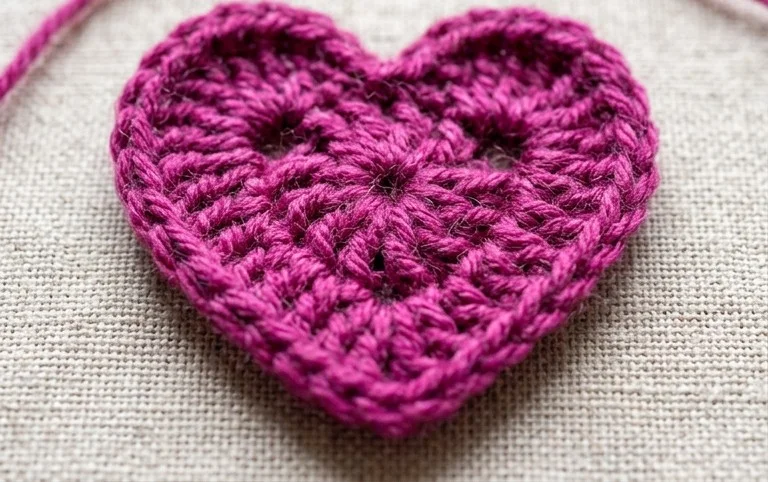
Your new set of coasters adds a personal touch to your home and prevents those leftover yarn scraps from cluttering your craft space. You might try alternating colors every two rounds to create a bold striped effect or working with a thicker cotton cord to make oversized trivets for your kitchen table. Share a photo of your finished work on social media to show others how you organized your yarn stash. Browse the rest of our blog for more free patterns to use up your remaining bits of wool and acrylic yarn.