Easy Crochet Edgings and Blanket Borders: Free Patterns
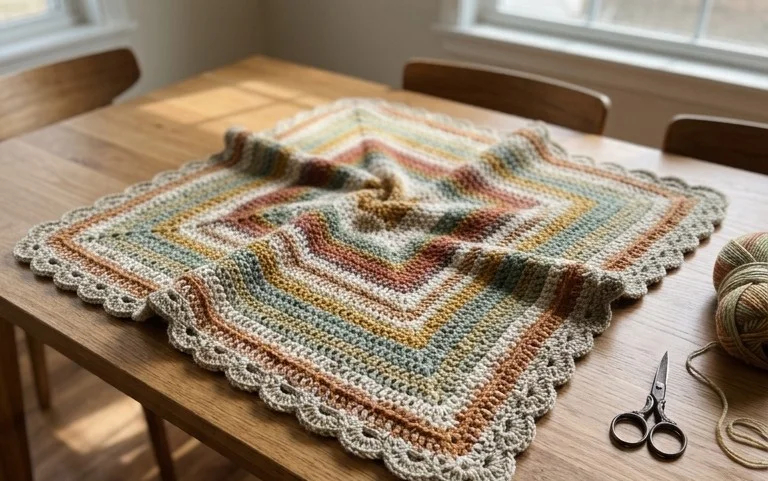
A simple crochet border transforms a plain afghan or dishcloth into a finished piece that feels complete and intentional. You will find that adding a textured trim or a scalloped edge adds weight to the fabric, helping corners lay flat and preventing the edges from curling over time. These patterns work well for beginners who want to practice tension control or advanced makers looking to update older projects. Working a decorative border is a meditative process that turns scrap yarn into a professional-looking gift, providing a satisfying sense of accomplishment in just an afternoon of stitching.
Why You’ll Love This Pattern
This classic crochet dishcloth is designed with a dense, textured stitch pattern that provides the ideal scrubbing surface for kitchen cleaning. The cotton yarn creates a durable fabric that stands up to frequent washing and heavy-duty wiping. Because it works up quickly using basic stitches, it serves as an excellent project for utilizing small amounts of leftover cotton yarn from larger home decor items. The finished square is thick enough to hold plenty of suds while remaining flexible enough to squeeze out excess water with ease.
I managed to finish this pattern in one evening while watching television. The texture is much more effective at cleaning my cast iron pans than the store-bought sponges I usually buy.
— Sarah, home crafter
Pattern Overview & Skill Level
- Skill Level: Beginner
- Approximate Time: 1 to 2 hours
- Construction: Worked in flat rows starting from a foundation chain
- Finished Dimensions: 8 inches by 8 inches
Materials & Supplies Needed
- Yarn: Worsted weight (#4) 100% cotton yarn, approximately 75 yards per dishcloth.
- Hook Size: 5.0 mm (US H-8).
- Notions: Yarn needle for weaving in ends, scissors.
- Yarn Substitutions: You may use a cotton-linen blend for increased durability, though this may make the fabric slightly stiffer. Avoid acrylic yarns, as they are not absorbent and will melt if they touch hot surfaces.
Stitch Guide & Abbreviations (US Terms)
- ch: chain
- st(s): stitch(es)
- sc: single crochet (insert hook, yarn over, pull up a loop, yarn over, pull through both loops)
- dc: double crochet (yarn over, insert hook, yarn over, pull up a loop, yarn over, pull through two loops, yarn over, pull through remaining two loops)
- sk: skip the indicated stitch
- rep: repeat
Step-by-Step Pattern Instructions
This dishcloth is worked in a simple moss stitch variation that creates a woven appearance.
Main Body
- Row 1: Ch 32. Dc in 4th ch from hook and in each ch across. Turn. (30 sts)
- Row 2: Ch 1, sc in first st, *ch 1, sk 1, sc in next st. Rep from * across. Turn. (15 sc, 15 ch-1 spaces)
- Row 3: Ch 2, dc in first sc, dc in next ch-1 space, *dc in next sc, dc in next ch-1 space. Rep from * across. Turn. (30 sts)
- Rows 4–30: Repeat Rows 2 and 3 until the piece measures 8 inches in height.
- Finishing: Fasten off, leaving a 6-inch tail. Weave in the ends securely using a tapestry needle.
Care & Washing Instructions
- Machine wash in warm water on a gentle cycle to preserve the integrity of the cotton fibers.
- Tumble dry on low heat or lay flat on a clean towel to air dry to prevent shrinkage.
- Reshape the square while damp if the edges have curled during the wash cycle.
Pro Tips & Common Mistakes to Avoid
Consistent tension is vital for a square result. If your dishcloth starts to flare at the edges, try going down half a hook size. Always place a stitch marker in the first stitch of every row to ensure you are not accidentally dropping stitches at the ends, which is a frequent cause of uneven sides. When weaving in your yarn ends, weave them back and forth in three different directions through the fabric to prevent them from coming loose during the wash. You can easily adjust the size of this project by chaining any even number; increasing the width will require more yarn, so ensure you have a full skein available if you decide to make a larger washcloth.
Frequently Asked Questions
Can I use a different yarn weight for this pattern?
Using a lighter or heavier yarn will significantly change the finished dimensions. If you use a DK weight yarn, you will need to increase your starting chain to maintain an 8-inch width.
Is this pattern suitable for someone who has never crocheted before?
Yes, this project only uses two basic stitches, making it a perfect starting point for learning how to maintain consistent tension and count stitches.
Can I sell the dishcloths I make using this pattern?
You are welcome to sell finished items made from this pattern, provided you credit the designer. Please note that you may not sell the pattern itself or use your own photographs to represent the design.
Why is my dishcloth curling at the corners?
Curling usually happens when the tension is too tight or the hook size is too small for the yarn weight. Ensure your chains are loose and consider blocking the finished piece by pinning it flat and steaming it lightly.
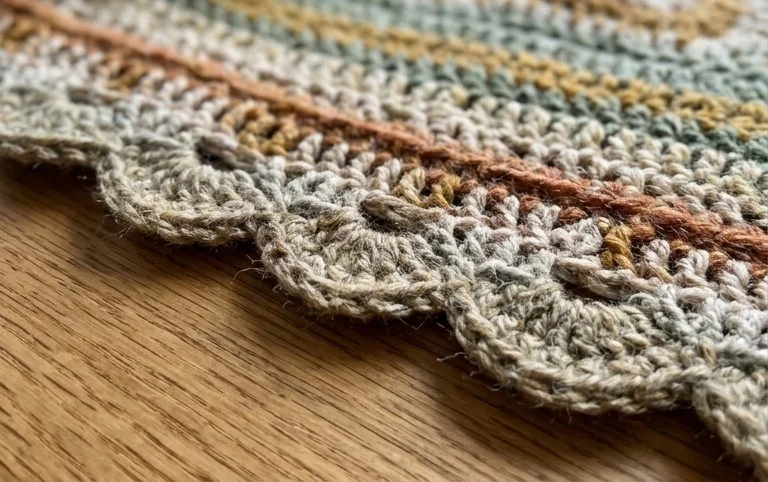
Your new border provides a clean, polished finish that anchors the entire piece and hides uneven foundation chains. Try swapping your yarn for a smooth bamboo-blend to get a delicate, silky drape that looks lovely on lightweight nursery blankets. Once you finish your row, take a photo to share your progress with other makers who might be looking for inspiration. Feel free to browse the rest of our library for more ways to finish your handmade items with unique stitches and classic patterns.